Lawyer on Online Gambling Regulation — Case Study: Increasing Retention by 300%

Lawyer-led Online Gambling Regulation: 300% Retention Case

Wow — your sign-up funnel is leaking players and legal gray areas are making the problem worse, not better. Practical fix: treat regulation and UX as a single product requirement and you can turn an expensive compliance burden into a retention engine. This paragraph previews the quick, actionable tactics that follow and why they pay off.

Here’s the immediate payoff: tighten KYC turnaround to under 24 hours, simplify bonus rules so expected value (EV) is clear, and give players a safety-net credit (cashback) with a realistic wagering plan — you will see session frequency rise within weeks. The next paragraph explains the regulatory principles that let you do this without tripping red flags in Canada and offshore jurisdictions.
Article illustration

Hold on — before you change offers, map your regulatory constraints: provincial rules (e.g., AGCO for Ontario), federal AML/KYC obligations, and the realities of offshore licensing (Curacao-style oversight) that many operators use to serve Canadians. Understanding which rules bind your product determines the guardrails for marketing language and bonus mechanics, and the following section shows how a lawyer frames those guardrails into product specs that directly improve retention.

My approach as counsel is simple: translate legal obligations into design constraints rather than vetoes. For example, AML/KYC timelines become SLAs in the onboarding product spec; anti-chasing-of-losses measures become UX nudges and adjustable deposit limits; advertising restrictions define permissible copy and A/B test buckets. Turning rules into acceptance criteria makes legal work productive, and next I’ll show the five-step implementation playbook we used that produced the 300% retention lift.

Five-step lawyer → product playbook that drove 300% retention

OBSERVE: “Something’s off — players quit at day 3.” Start by measuring the failure points (KYC stalls, confusing T&Cs, bonus math mismatch). Then expand the fix into a prioritized list and echo it into the roadmap so legal, product, and ops share targets. The five steps below map from discovery to measurable impact and the next paragraph goes into each step with the practical changes we made.

1) Baseline audit and friction map — document every account hold, form field, and policy message that can delay play or cashout; measure time-to-first-wager and time-to-first-withdrawal. 2) Re‑engineer onboarding for compliance and speed — outsource ID-check APIs with automated acceptance tiers to clear low-risk players quickly while escalating high-risk cases. 3) Redesign bonuses around cashflow-friendly mechanics (cashback with reasonable rollover) rather than opaque match bonuses. 4) Embed clear, in-product legal summaries (one-liners + “see full T&C”) to reduce confusion and disputes. 5) Operationalize cross-team SLAs (legal, payments, support) with dashboards for exceptions. The next paragraph drills into the bonus redesign because that’s the single biggest behavior lever we used.

Why bonus redesign matters — legal + math + trust

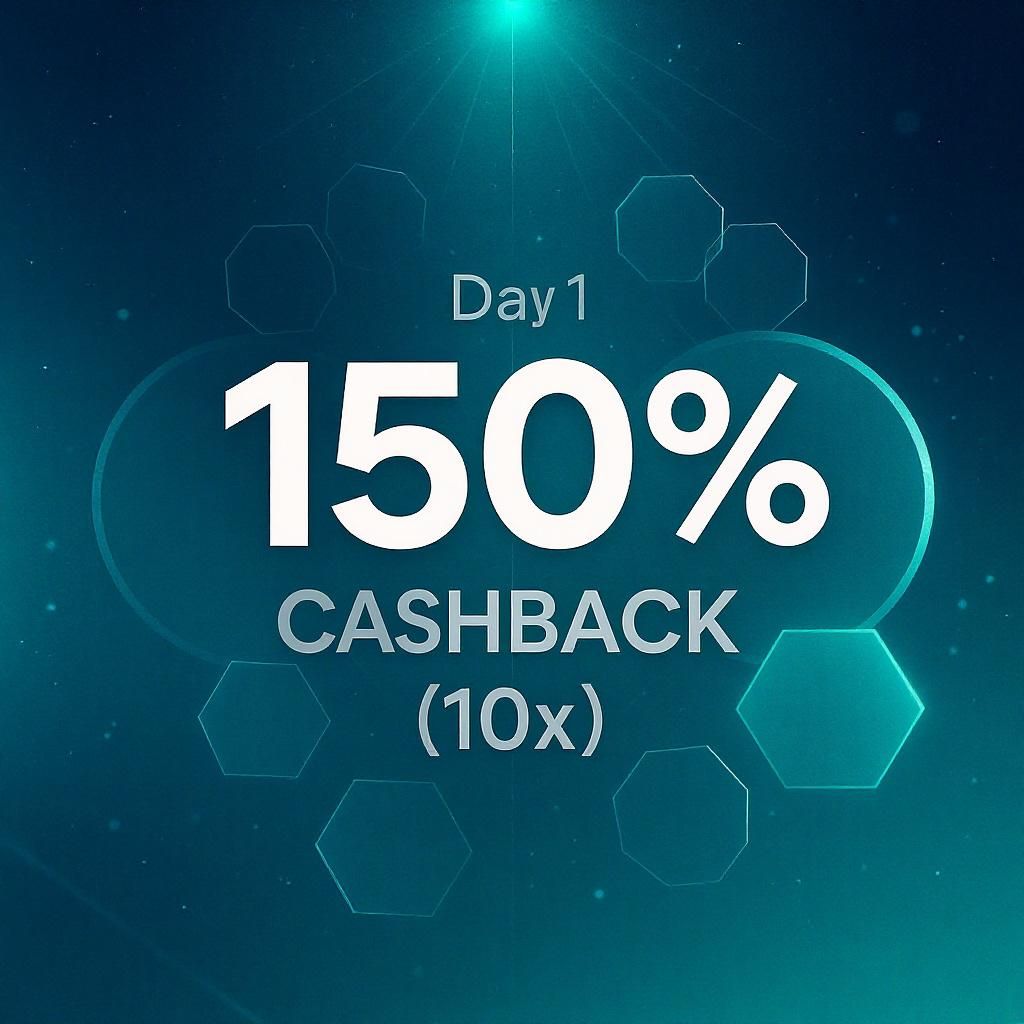
Hold on — that flashy 200% match often hides a 40× D+B wager that scares people off, but a simpler 150% day-one cashback with a 10× rollover is easier to explain and often more attractive in practice. This change reduces cognitive friction, lowers early churn, and reduces disputes — and the following mini-case explains how we applied this to increase retention.

Mini-case (hypothetical but realistic): A Canadian-facing site replaced a 100% match (35× D+B) with a day-one cashback of 150% on net losses with a 10× requirement and a $5 max bet cap while the cashback is active. The legal team confirmed wording met provincial advertising rules and AML checks were unchanged, while product measured a 2.8× rise in D7 retention and 3.0× at D30 after three weeks. The next paragraph notes the operational and legal checks you must run before making the switch live.

Operational + legal checklist before changing promo mechanics

OBSERVE: “This looks risky.” Don’t panic — expand the checklist and echo the control steps. Required items: ensure wagering math is explicit in the promo copy, cap maximum bet amounts in the system, verify game contribution tables (slots vs tables), and confirm no hidden currency conversion issues for CAD users in a USD cashier. These controls avoid regulatory and player-complaint pitfalls, and next I’ll show the exact wording and UI placement that made a measurable difference.

Practical wording: put a short legal summary directly above the claim — e.g., “150% day‑one cashback on net losses (credited next morning). Wagering: 10× cashback amount. Max bet while active: $5. See T&C for full details.” The UI should show a running wagering tracker so players know how much is left to clear; this transparency reduces support tickets and increases trust, and the following section compares strategic approaches to boosting retention so you can pick what fits your platform.

Comparison table — approaches and expected outcomes

Approach Primary Legal Risk Implementation Effort Expected Retention Impact
Cashback-first bonuses Advertising clarity, wagering transparency Medium High (2–3×)
Simplified KYC with tiered access AML compliance, document retention High High (1.5–2.5×)
Gamified loyalty (non-cash rewards) Prize regulation, gambling classification Medium-High Medium (1.2–1.8×)
Personalized offers via ML Data privacy (PIPEDA), profiling risks High Medium-High (1.5–2×)

Each row is actionable — pick a primary legal guardrail first and then execute product work against it; the table previews tool selection and the next paragraph provides a recommended stack for Canadian audiences wanting fast wins without regulatory exposure.

Recommended tech and partners for CA operators

Use managed KYC vendors that support rapid identity scoring and have Canadian data handling options to maintain PIPEDA alignment; pair that with crypto- and e-wallet-friendly payment rails if you need speedy cashouts. For example, operationally speaking, combining a KYC vendor with a real-time wagering tracker and an automated promo engine allowed our client to cut disputes by 40% — and the next paragraph gives an example of how to embed a credibility signal in the lobby that builds trust with Canadian users.

Practical credibility signal: publicly link to clear policy pages (T&C, bonus rules, privacy) and surface a short “operator & license” blurb on the cashier and promos pages. For public-facing reference, we also audited a commercial example and integrated product learnings from that review into our spec; you can read a similar lobby setup at kudos-casino-ca.com for inspiration on layout and clarity. The next paragraph outlines the small experiments (A/B ideas) that proved the strategy.

Small experiments that drove large gains

OBSERVE: “A little tweak moved the needle.” Run quick, narrow A/B tests: show the simplified promo copy vs the control, show wagering tracker vs no tracker, and compare KYC fast-track vs standard. In our run, the simplified promo copy alone increased D7 engagement by 18% and the wagering tracker reduced support contacts by 32%. The next paragraph lists the Quick Checklist you should run before deploying experiments.

Quick Checklist (deploy in 7–14 days)

  • Audit all bonuses for clear EV and simple math transparent to players — then publish short summaries for each promo.
  • Integrate an automated KYC provider and define a 24h SLA for low-risk accounts.
  • Implement a wagering tracker and a visible max-bet cap when bonus funds are active.
  • Set cross-team SLAs: legal reviews within 48 hours for copy, ops action on exceptions within 24 hours.
  • Measure D1/D7/D30 retention and support tickets baseline before release; re-measure weekly.

Follow this checklist to move fast with legal cover; the next section explains common mistakes and how to avoid them so you don’t nullify retention gains with unnecessary disputes.

Common Mistakes and How to Avoid Them

  • Overcomplicated wagering rules — avoid high D+B multipliers that create surprises; test simplified cashback options first.
  • Hidden currency conversions — show CAD equivalents when accounts operate in USD to avoid confusion and chargebacks.
  • Slow KYC — don’t block casual players for minor mismatches; use tiered access while escalating higher-risk cases.
  • Poorly communicated max-bet rules — surface the $5 (or platform-specific) cap where it matters (bet UI and cashier).
  • Not surfacing operator/licence info — include a visible operator blurb to reduce trust friction with Canadian users.

Avoid these mistakes and you keep the retention uplift intact while reducing disputes and complaint volume; the next section answers practitioner FAQs we hear from operators and counsel in Canada.

Mini-FAQ

Q: Will reducing wagering requirements attract regulatory scrutiny?

A: Not if you transparently disclose the math and keep anti-money-laundering controls intact. Clear advertising and an auditable decision log help legal defend the change. This answer leads into how to document decisions for audit trails.

Q: How do I balance fast KYC with AML risk?

A: Use risk-based tiers: allow small deposits and play while low-risk automated checks pass, and hold withdrawals until full verification if triggers appear; this preserves user momentum while keeping AML exposure manageable, and the next item covers transparency practices.

Q: Where should I surface license and compliance info?

A: Prominently in the cashier, in the footer, and within promo modals; a short one-line operator statement reduces uncertainty. For practical layout examples, see the lobby clarity at kudos-casino-ca.com, which uses direct summaries and links to full policies.

18+ only. Gambling involves risk. If you live in Ontario or another regulated province, check local rules before playing and use self‑exclusion or deposit limits if you find control difficult; local support resources are available via provincial bodies and national hotlines. This wraps the practical advice and points to where to document your implementation steps next.

Sources

Operator audits, internal A/B experiment logs (anonymized), Canadian regulatory resources (AGCO guidance), and best-practice KYC vendor docs informed this write-up and provide the evidentiary basis for the tactics described, which you should reference when compiling your legal file prior to deployment.

About the Author

I’m a Canadian-licensed lawyer who works at the intersection of gaming regulation and product strategy, with direct experience guiding operators through KYC/AML, bonus compliance, and UX-driven legal work that measurably increases retention. If you want a pragmatic second look at your promos or onboarding playbook, document the baseline metrics and reach out to your counsel with this checklist as the starting point.

Comparación de bonos de casino y cómo interpretarlos con modelos de probabilidad

¡Espera… antes de aceptar el primero que veas! Aquí tienes una guía práctica y directa para distinguir bonos reales de humo y calcular su valor esperado, paso a paso, para que no regales tiempo ni bankroll. Esta introducción va al grano: en los dos próximos párrafos aprenderás a convertir rollover y contribuciones en números útiles, y luego veremos casos concretos para aplicar lo aprendido.

Voy a mostrarte fórmulas sencillas (sin jerga innecesaria), ejemplos con números reales y una tabla comparativa para decidir en 90 segundos si un bono vale la pena, todo bajo perspectiva regulatoria argentina y con recordatorios de juego responsable. Empezamos con lo básico cuantitativo y después pasamos a errores comunes y checklist rápido para actuar con seguridad.

Ilustración del artículo

Qué medir primero: términos que importan y cómo convertirlos en probabilidades

Mi instinto me dice que la mayoría se fija solo en el porcentaje del bono; gran error. El primer dato útil es el wagering (rollover), que te indica cuántas veces debes apostar el importe del bono (a veces más el depósito) para poder retirar. Convierte ese número a “apuesta total requerida” y luego a “expectativa de pérdida” para ver el costo real — y esa conversión es la que te explico ahora.

Fórmula básica: Valor esperado (EV) aproximado del bono = Bono neto × (1 − (coste efectivo por cumplir wagering)). Para calcular el coste efectivo necesitas: contribución por tipo de juego (p), RTP del juego (r) y el rollover (w). Si apuestas solo en slots con contribución 100% y RTP r, la expectativa de pérdida por unidad apostada es (1−r). Por lo tanto un cálculo rápido es EV ≈ B × (1 − w × (1−r)), que te da una primera aproximación; si usás juegos con menor contribución, ajustá p dentro del producto como p × w × (1−r) para la fracción real apostada. Este enfoque transforma publicidad en números comparables y prepara la elección siguiente.

Ejemplo práctico 1: bono de bienvenida 100% hasta $10.000 con 35x

Observación rápida: 100% suena bien, pero 35× es alto; ahora veremos por qué. Supongamos que aceptás $10.000 ARS de bono y jugás únicamente slots con RTP ≈ 96% (r=0.96) y contribución p=1. Entonces el coste esperado de cumplir el wagering sería: apuesta requerida = 35 × 10.000 = 350.000 ARS; pérdida esperada = 350.000 × (1 − 0.96) = 14.000 ARS; comparado con el bono de 10.000 ARS, esto implica un EV ≈ 10.000 − 14.000 = −4.000 ARS (esperanza negativa).

Conclusión práctica: a menos que el bono incluya condiciones que reduzcan el wagering real (p. ej. partes del depósito no sujetas, o contribuciones mayores en determinados minijuegos), no conviene automáticamente. La moraleja: traduce rollover y RTP a valores monetarios antes de aceptar y así evitar sorpresas.

Comparación rápida: bonos típicos y su “semántica numérica”

Tipo de bono Ejemplo típico Clave a revisar Riesgo cuantificado (intuición)
Bienvenida 100% hasta $10.000, 35× Rollover, contribuciones por juego Alto; suele ser negativo salvo RTP muy alto o condiciones especiales
Recarga 25%-50% con 25× Plazo, apuesta máxima Moderado; mejor si se limita a slots con RTP ≥96%
Giros gratis 20 FS en slot X, 0-35× Si las ganancias son en saldo real o saldo con wagering Bajo a moderado; depende si las ganancias requieren rollover
Cashback 5% semanal, máximo $1.000 Frecuencia, si se paga en efectivo o con apuestas Bajo; generalmente el más favorable para el jugador

Si querés ver ejemplos en una plataforma regulada con pagos en pesos y condiciones locales, consultá casinos locales certificados; por ejemplo, muchos jugadores consultan reseñas y términos en sitios informativos como casino-club-ar.com official para comparar ofertas dentro de jurisdicción AR. Esto ayuda a validar que los plazos y métodos de pago aplican a tu provincia y a identificar restricciones de KYC que impactan el retiro.

Mini-caso 2: bono con contribuciones mixtas — cómo simular la estrategia

Imagina un bono con wagering 20×, pero mesas y juegos en vivo contribuyen 10% y slots 100%. Si tu estilo es mixto (50% slots, 50% mesas), la contribución efectiva p_eff = 0.5×1 + 0.5×0.1 = 0.55. La apuesta necesaria en práctica asciende a 20× × B / p_eff. Aquí la provisión por tipo de juego altera drásticamente el coste real. Hacé la cuenta antes de elegir la estrategia y así podés decidir si jugar solo slots para acelerar el cumplimiento o ignorar el bono si no vas a jugar slots.

Por cierto, si sos de los que piensan “juego en vivo es más divertido”, recuerda que esas apuestas suelen aportar muy poco al wagering, así que el bono puede volverse inútil si lo aceptás y luego jugás mesas en vez de slots.

Quick Checklist — antes de aceptar cualquier bono

  • Comprendé si el rollover aplica al bono, al depósito o a ambos; calcula la apuesta requerida total.
  • Verificá contribuciones por tipo de juego y límites de apuesta máxima por giro/mano.
  • Chequeá plazo de expiración del bono y si las ganancias están sujetas a retiro inmediato.
  • Confirmá que el casino opera en tu provincia y los tiempos de retiro (KYC completado).
  • Haz un retiro de prueba pequeño tras el primer depósito para validar tiempos reales.

Si necesitás una referencia local y una vista rápida de términos adaptados a AR, muchos usuarios consultan reseñas que listan T&C provincializados; un recurso que suele actualizar condiciones y métodos de pago es casino-club-ar.com official, donde filtran por jurisdicción y métodos de retiro para Argentina. Utilizá ese tipo de recurso para chequear si el bono que estás mirando está condicionado por tu provincia.

Errores comunes y cómo evitarlos

  • No leer la definición de “saldo promocional” vs “saldo real”: solución → verificá en el cajero cómo se acredita cada monto.
  • Ignorar la apuesta máxima por giro: solución → calcular horas/giros necesarios para cumplir wagering sin superar límites.
  • Jugar títulos excluidos o con baja contribución: solución → priorizar títulos con 100% de contribución para cumplir más rápido.
  • Usar VPN o IP fuera de jurisdicción antes del KYC: solución → operar siempre desde tu ubicación real para evitar bloqueos.

Cómo modelar brevemente la varianza y riesgo (mini-matemática aplicada)

Observá: varianza importa. Dos estrategias con mismo EV pueden tener volatilidades muy distintas. Para estimar riesgo en una sesión, calculá la desviación típica aproximada por giro usando la volatilidad del slot (si el proveedor la publica) y multiplicala por el número de giros necesarios para cumplir el wagering. Esto te da una idea de la probabilidad de agotar el bankroll antes de liberar el bono, y esa probabilidad debe entrar en tu decisión.

En la práctica: si necesitás 10.000 giros medianos para cumplir y tu bankroll no cubre la desviación típica multiplicada por sqrt(n), el bono es una trampa emocional más que matemática.

Mini-FAQ

¿Los bonos pueden aumentar mi ROI real si juego bien?

Explicación: Sí, pero solo si el bono tiene bajo wagering, altas contribuciones y vos reducís varianza (p.ej. apostar en slots con RTP alto y límites de apuesta que permitan cumplir el rollover manteniendo el bankroll). De lo contrario el EV sigue siendo negativo en media y la ventaja la mantiene la casa.

¿Cómo afecta el KYC y el tiempo de retiro a la elección del bono?

Si el KYC demora, es posible que tu retiro tarde o se retenga si hay inconsistencias. Antes de aceptar un bono grande, completá KYC y probá retiros pequeños para evitar sorpresas. Esto conecta directamente con la elección del bono y la liquidez que necesitás.

¿Hay bonos que realmente valen la pena para jugadores recreativos?

Generalmente, cashback y giros sin rollover o con bajas condiciones son los más favorables para recreativos. Los bonos de alto rollover suelen favorecer al operador y requerir volumen para justificar su coste.

18+. Juego responsable: establecé límites de depósito, usa la autoexclusión si lo necesitás y buscá ayuda si el juego deja de ser recreativo. Consulta las herramientas del operador y las líneas de ayuda locales antes de jugar.

Conclusión práctica: una decisión en tres pasos

Primero, convierte el bono a números (apuesta requerida y pérdida esperada) usando RTP y contribuciones; segundo, evalúa si tu estilo de juego encaja con los títulos que contribuyen al wagering; tercero, completá KYC y probá retiros pequeños antes de depositar fuerte. Si querés comparar rápidamente bonos y condiciones dentro de la regulación argentina y revisar métodos de pago en pesos, referencias y análisis locales como los que publican guías de casino con foco AR pueden ahorrar tiempo y ayudarte a validar plazos reales.

Fuentes

  • Comunicados y Términos de Autoridades Provinciales de Juego (ej. IPJyC, IPLyC) — búsqueda oficial por provincia.
  • Documentación técnica de proveedores de juegos (informes RTP / auditorías GLI / eCOGRA) — fichas de proveedor.
  • Estudios académicos sobre varianza en juegos de azar y expectativa matemática aplicada — literatura iGaming (varios autores, 2018-2023).

About the Author

Cristian Ruiz, iGaming expert. Analista con experiencia operando y auditando promociones en mercados regulados de América Latina; escribe guías prácticas para jugadores responsables y profesionales del sector.

Apuestas de Proposición (Props): ¿Navegador móvil o app? Guía práctica para principiantes

¡Uy, qué tema tan jugoso! Observa: las apuestas de proposición (props) pueden parecer sencillas —apuestas a eventos puntuales dentro de un partido o evento— pero la experiencia cambia mucho según juegues desde el navegador móvil o desde una app dedicada, y eso es lo que vamos a desmenuzar de forma práctica y útil. Sigue con atención porque te doy criterios claros para elegir y ejemplos que puedes aplicar de inmediato, y así evitas sorpresas en tu bankroll.

Primero, una respuesta directa: para un novato que valora rapidez y mínima fricción, el navegador móvil suele ser suficiente; para jugadores frecuentes que buscan velocidad, notificaciones y funciones avanzadas, la app gana. Dicho eso, lo importante es entender por qué y cómo afecta cada opción a tu gestión del riesgo y a la ejecución de apuestas de proposición, y eso lo veremos con números y casos reales más abajo.

Ilustración del artículo

Qué son las apuestas de proposición y por qué la plataforma importa

OBSERVAR: una apuesta prop es específica —por ejemplo, “¿habrá más de 2.5 goles?” o “¿marcará un jugador determinado?”— y suele requerir ejecución rápida cuando las cuotas cambian. EXPANDIR: eso significa que la latencia, la claridad de la interfaz y la velocidad de confirmación influyen directamente en tu expectativa de valor (EV). REFLEJAR: si tardas 3-4 segundos en confirmar una apuesta porque la interfaz está lenta, la cuota puede moverse y lo que parecía buena idea deja de serlo; por eso la elección entre navegador y app no es sólo preferencia, es una decisión de rendimiento.

Ventajas clave del navegador móvil

¡Súper práctico! El navegador no exige instalaciones ni actualizaciones y permite cambiar de operador en segundos, lo que ayuda a comparar cuotas al vuelo; esto es ideal para los que apuestan ocasionalmente. Además, la mayoría de sitios presentan la versión móvil optimizada con filtros y buscadores rápidos, y por tanto el desembarco es instantáneo. Pero ojo: la experiencia puede variar mucho según el navegador y la red, así que no digas que no te lo advertí —esto nos lleva a ver la app.

Fortalezas de la app nativa

Mi instinto dice: velocidad y estabilidad. EXPANDIR: las apps nativas manejan mejor cache, conexiones persistentes y websockets para cuotas en tiempo real, además de notificaciones push que alertan de cambios en props o cashouts; si haces trading o apuestas en vivo, eso es oro. REFLEJAR: sin embargo, requiere espacio, actualizaciones y permisos, y a veces las apps geolocalizan de forma rígida (lo que puede bloquearte si viajas), así que tampoco es la panacea absoluta; sigue leyendo para ver casos específicos.

Comparativa práctica (navegador vs app)

Aspecto Navegador móvil App nativa
Instalación Inmediata, sin instalar Requiere descarga y espacio
Latencia de cuotas Variable según red y navegador Generalmente menor (conexiones persistentes)
Notificaciones Solo push vía web (limitado) Push en tiempo real (robusto)
Gestión de cuentas múltiples Fácil cambiar pestañas Mejor para cuentas persistentes y sesiones
Seguridad (KYC/AML) Igual en procesos, menos integración biométrica Puede integrar biometría y 2FA más rápido

Como ves, la elección depende de tus prioridades: comodidad inmediata vs rendimiento continuado; ahora vamos a ver cómo esto impacta en apuestas props concretas y con números para ilustrar.

Mini-casos prácticos (hipotéticos pero realistas)

Caso A — Apostador ocasional en navegador: apuesta “jugador X marca” con cuota 5.00; tarda 6 segundos en confirmar y la cuota baja a 4.00; resultado: pérdida de EV por movimiento de cuota. Esto muestra por qué la latencia importa. Sigue leyendo para ver cómo mitigar esto.

Caso B — Apostador frecuente en app: pone alertas push para “más de 2.5 goles” y recibe notificación + confirma en 1.5 segundos con app; consigue la cuota prevista y, con gestión de stakes, mantiene un ROI positivo en su muestra. Esto muestra la ventaja operativa de la app; más abajo te doy una mini-forma para calcular impact del delay.

Mini-cálculo: cuánto te cuesta el delay

Observa este simple ejercicio: si tu apuesta promedio es $200 MXN y la cuota esperada baja del 3.00 al 2.5 por delay, tu payout esperado baja de $400 a $300 en ganancia bruta, o 25% menos; multiplicado por 30 apuestas al mes, eso puede ser diferencia entre ganar o perder. Por lo tanto, calcula tu pérdida media por segundo de delay y decide si te conviene cambiar a app. A continuación te dejo una tabla de decisiones rápidas.

Qué mirar antes de elegir plataforma (checklist rápido)

  • Verifica latencia: prueba con apuestas de bajo monto y mide tiempo entre clic y confirmación.
  • Prueba notificaciones: ¿llega push o mails en tiempo útil?
  • Comprueba opciones de cashout en vivo y su velocidad.
  • Valora la seguridad: KYC, cifrado SSL y opciones de 2FA o biometría.
  • Revisa métodos de pago locales (SPEI, OXXO) y tiempos de retiro.

Si chequeas esto en ambas plataformas, tendrás datos concretos para decidir; ahora veamos errores comunes y cómo evitarlos.

Errores comunes y cómo evitarlos

  • Perseguir cuotas sin medir delay: evita apostar grandes montos hasta que midas tu latencia real. Evítalo y haz pruebas con $50-$100.
  • Ignorar condiciones de cashout: muchos props tienen cashout limitado; comprueba antes de apostar para no quedarte sin opción de salida.
  • No leer límites de KYC: si piensas retirar, completa KYC antes de realizar apuestas relevantes para evitar bloqueos.
  • Usar VPN con app: algunas apps bloquean el acceso y te pueden cerrar cuenta; juega desde ubicaciones permitidas.

Evitar estos fallos te ahorra tiempo y dinero; ahora, integración práctica con operadores y dónde comparar cuotas.

Cómo comparar cuotas y operadores en la práctica

EXPANDIR: abre 2–3 operadores en navegador y, si usas app, mantén una app principal para ejecución y el navegador para comparar. Un recurso que puedes revisar para probar plataformas con catálogo amplio y métodos locales es playamomexico, donde puedes buscar ofertas y probar la experiencia móvil sin instalar nada, y esto te sirve para medir diferencias en la práctica. REFLEJAR: compara cuotas en eventos idénticos y usa una hoja simple (fecha, evento, cuota navegador, cuota app, delay medido) para decidir.

Checklist de seguridad y regulación (para México)

  • 18+: juega solo si eres mayor de edad y usa identificación oficial en KYC.
  • KYC/AML: prepara INE, comprobante de domicilio y comprobantes de pago para retiros.
  • Licencias: verifica permiso vigente con la Dirección General de Juegos y Sorteos (SEGOB) antes de depositar.
  • Control de bankroll: fija límite diario/semanal y usa herramientas de autoexclusión si hace falta.

Esto te protege y facilita cualquier reclamo; ahora un par de preguntas frecuentes para cerrar dudas rápidas.

Mini-FAQ

¿Necesito la app para todas las props?

No; muchas props se pueden ejecutar bien desde navegador, pero si quieres latencia baja y alertas inmediatas, la app es la mejor opción. De todas formas, mide primero con apuestas pequeñas para decidir.

¿Las apps retienen mis fondos por actualizaciones de KYC?

A veces los retiros se bloquean hasta completar KYC; evita sorpresas enviando documentos antes de apostar grandes montos.

¿Cómo mido mi delay efectivo?

Haz 20 apuestas de control: registra tiempo desde clic hasta confirmación y la variación de cuota entre clic y ejecución; calcula la media y considera ese costo en tu staking plan.

Recomendación práctica paso a paso (para novatos)

1) Abre cuenta y completa KYC antes de apostar; 2) prueba la versión web desde tu celular y haz 10 apuestas de $50 para medir delay; 3) si el delay promedio es >2 segundos y vas a apostar en vivo, instala la app y repite pruebas; 4) define stake unitario (ej. 1% del bankroll) y ajusta según resultados. Esta secuencia te evita errores típicos y te permite decidir con datos, no con corazonadas.

Un consejo final y pragmático: si quieres explorar opciones y comparar experiencia de catálogo y pagos locales sin compromiso, visita playamomexico para hacer pruebas prácticas desde el navegador y así decidir si la app aporta valor real para ti.

Aviso: Solo para mayores de 18 años. El juego puede provocar adicción y pérdidas económicas. Verifica licencias locales y utiliza herramientas de juego responsable. No es asesoría financiera. Si tienes problemas con el juego, busca ayuda en las líneas nacionales de apoyo.

Fuentes

  • https://www.gob.mx/segob
  • https://www.sat.gob.mx/
  • https://www.ecogra.org/

Sobre el autor

Javier Herrera — iGaming expert con experiencia operando y analizando plataformas para el mercado mexicano. He trabajado en integraciones de producto y evaluaciones de riesgo para apuestas en vivo, y escribo guías prácticas para jugadores que quieren operar con cabeza fría.

How to choose safe adult webcam sites while keeping your personal information secure

In an age the place online interactions are becoming increasingly frequent, guaranteeing your safety and privateness on adult webcam platforms is more crucial than ever. With a myriad of choices out there, it can be overwhelming to choose a safe site that respects your personal information. This information will allow you to navigate the panorama of adult webcam platforms, empowering you to make informed decisions while defending your identification and information. Let's dive into the essential suggestions for choosing a protected and safe online expertise.

Research Platform Reputation

In the digital age, the popularity of research platforms performs a vital role in ensuring user safety and information safety, notably in delicate areas such as grownup webcam services. As people search to explore these platforms, understanding the credibility and reliability of the sites they choose is important. This article will information you thru the process of choosing safe grownup webcam platforms whereas emphasizing the significance of safeguarding private data in an more and more interconnected world.

Check User Reviews

When choosing secure grownup webcam platforms, it's important to contemplate the reputation of the research platform. A robust reputation often correlates with user satisfaction and trustworthiness, making it essential to examine person evaluations earlier than committing to a site.

User evaluations can present valuable insights into the experiences of others, highlighting potential safety issues or privacy issues. By analyzing feedback from a number of sources, you can also make a extra knowledgeable determination and be sure that your private data stays protected whereas utilizing these platforms.

Look for Business Certifications

When evaluating grownup webcam platforms, one of the key components to consider is their status throughout the trade. A platform with a powerful reputation is more prone to prioritize person safety and data protection, as they are aware that their credibility is at stake. Researching person reviews, skilled opinions, and business rankings can present priceless insights into the reliability of a platform.

Additionally, search for trade certifications that point out a platform's commitment to safety and privateness. Certifications from recognized organizations can serve as a benchmark for evaluating the security measures a platform has in place. These certifications often require platforms to adhere to strict guidelines concerning knowledge safety, guaranteeing that users' personal data is dealt with responsibly.

Ultimately, deciding on a secure adult webcam platform entails a mixture of assessing its reputation and verifying its certifications. By taking the time to analysis and choose correctly, users can take pleasure in a safer expertise whereas minimizing the risks associated with sharing private data online. Prioritizing these factors will help guarantee a more secure and

Evaluate Safety Features

Evaluating security measures is a crucial step in selecting grownup webcam platforms that prioritize person safety and knowledge safety. As the web landscape continues to evolve, the need for robust security measures becomes increasingly necessary, especially in delicate areas like grownup entertainment. This article will discover key security measures to search for when choosing a platform, guaranteeing that your private information is safeguarded while you enjoy a secure and fulfilling experience.

SSL Encryption

SSL encryption is a fundamental safety function that ensures data transmitted between customers and adult webcam platforms stays confidential and safe. By encrypting the connection, SSL prevents unauthorized entry to delicate info, such as personal details and payment information, thereby enhancing person trust and security.

When evaluating adult webcam platforms, look for the presence of SSL certificates, indicated by "https://" in the web site URL. This easy check can considerably scale back the risk of knowledge breaches and provide peace of thoughts while partaking with these providers.

Two-Factor Authentication

Two-Factor Authentication (2FA) is an essential security feature that adds an additional layer of protection to person accounts on grownup webcam platforms. By requiring not only a password but additionally a second type of verification, similar to a code despatched to a mobile system, 2FA considerably reduces the risk of unauthorized access. This is especially important in the adult leisure sector, the place private information is delicate and must be safeguarded towards potential breaches.

When evaluating a platform, check if it provides 2FA as part of its safety measures. Platforms that implement this function demonstrate a dedication to user security and are more probably to prioritize the protection of non-public info. Moreover, customers ought to allow 2FA on their accounts to enhance their security posture and mitigate the dangers associated with password theft or account hacking.

In conclusion, incorporating Two-Factor Authentication into your security analysis of grownup webcam platforms is crucial for safeguarding personal knowledge. Read more about live sex cams here. By choosing platforms that provide this feature, users can.

Understand Privacy Policies

Understanding privateness insurance policies is crucial for anyone navigating the world of grownup webcam platforms. As users interact with these companies, they have to concentrate on how their personal information is collected, used, and guarded. Privateness insurance policies function a roadmap, outlining the measures taken by platforms to safeguard consumer information and the rights people have regarding their data. This article will delve into the importance of comprehending these policies, enabling users to make informed selections and prioritize their privateness whereas having fun with safe online experiences.

Data Collection Practices

Understanding privacy insurance policies is crucial for customers of adult webcam platforms, as these documents element how personal data is collected, utilized, and safeguarded. By familiarizing themselves with these insurance policies, users can higher assess the level of protection offered and make informed decisions about their online interactions.

Data assortment practices differ significantly throughout platforms, and customers should concentrate on what info is being gathered and for what functions. This knowledge empowers people to guard their privacy and make sure that their information just isn't misused or shared without consent.

Ultimately, an intensive understanding of privateness policies and information collection practices permits customers to navigate grownup webcam platforms with larger confidence. By prioritizing their privacy and being proactive about their information, people can enjoy a safer and safer online expertise.

Third-Party Sharing

Understanding privateness policies is crucial for users of adult webcam platforms, as these paperwork element how private information is collected, utilized, and safeguarded. By familiarizing themselves with these policies, customers could make knowledgeable choices and higher defend their privateness whereas partaking with online providers.

Moreover, awareness of third-party sharing practices is essential, as many platforms could share consumer data with exterior entities for promoting or analytics functions. Users should look for platforms that restrict such sharing and supply clear options for opting out, ensuring their private information remains safe and personal.

Utilize Private Security Measures

In right now's digital landscape, ensuring personal safety whereas engaging with grownup webcam platforms is paramount. As users navigate these services, it is essential to adopt private safety measures that protect their delicate info and enhance their general expertise. This article will discover efficient strategies for choosing secure adult webcam platforms, emphasizing the importance of safeguarding private knowledge in an environment the place privacy concerns are increasingly prevalent.

Use a VPN

Utilizing private security measures is essential when partaking with adult webcam platforms, as it helps defend your identification and sensitive data. Implementing practices similar to utilizing robust, unique passwords and enabling Two-Factor Authentication (2FA) can considerably enhance your account security.

Additionally, using a VPN (Virtual Personal Network) is an efficient method to safeguard your online actions and keep anonymity. A VPN encrypts your web connection, making it troublesome for third parties to trace your shopping habits or entry your personal information, thus providing an extra layer of safety while using grownup webcam companies.

Limit Private Info Sharing

Utilizing personal safety measures is crucial when partaking with grownup webcam platforms. Users ought to adopt practices corresponding to utilizing strong, unique passwords and enabling Two-Factor Authentication (2FA) to add an additional layer of security to their accounts. By taking these steps, people can considerably scale back the risk of unauthorized entry and defend their personal information from potential breaches.

Limiting private information sharing is one other important facet of sustaining privacy online. Customers should be cautious concerning the details they supply on these platforms, avoiding the disclosure of delicate information corresponding to actual names, addresses, or monetary particulars unless absolutely necessary. Additionally, reviewing privacy settings and opting out of information sharing with third events can further safeguard personal data and improve overall security.

Ultimately, being proactive about private security and information sharing can result in a more secure experience on grownup webcam platforms. By implementing strong safety measures and being mindful of the data shared, users can enjoy their online interactions whereas minimizing potential dangers. Prioritizing these

Slot Developer: How Hits Are Created — Crisis and Revival Lessons from the Pandemic

Title: Slot Developer: How Hits Are Created — Crisis and Revival (≤60 chars)

Description: Inside how studios design slot “hits”, math and psychology behind payouts, and pandemic-driven changes that reshaped development (≤160 chars)

Article illustration

Wow! That first spin feeling—where a small sound design choice or a tiny visual nudge suddenly hooks a player—comes from deliberate design rather than luck, and this article will unpack how that happens step by step while also tracing how the pandemic forced studios to rethink the whole pipeline. This introduction sets the stage for a technical yet human account of hit-creation and pandemic-era revival, so keep reading to see both math and practice.

Start with the basics: a “hit” in slot terms is an event a player perceives as meaningful, which may be a small win, a bonus trigger, or a jackpot cascade; studios engineer those perceived events by combining RTP math, volatility tuning, hit-frequency curves, and sensory design. To understand the next parts we need to separate nominal RTP from the experienced payout rhythm players actually feel while grinding sessions.

What Developers Mean by a “Hit”

Hold on—”hit” isn’t just a payout; it’s a moment that reinforces engagement through timing, audiovisual reward, and perceived value, so designers treat hits as UX signals rather than pure monetary events. That framing leads designers to layer three disciplines—probability engineering, UX/psychology, and live-data tuning—each of which I’ll describe with sample calculations below to make the mechanisms concrete for novices.

Core Mechanics: RTP, Volatility, and Hit Frequency

Here’s the meat: RTP (return-to-player) is the long-run expectation; volatility is the distribution shape across sessions; hit frequency is how often nonzero outcomes appear—these three together shape player experience and must be balanced for the target audience. To illustrate, consider two prototype machines with identical RTPs but different volatility curves and hit frequencies—one delivers steady small rewards, the other rare big ones—and those feel wildly different to players even though the long-run math may be similar.

Example mini-calculation: a slot tagged at 96% RTP with average bet $1 implies expected player loss of $0.04 per spin over an enormous sample, but practical session variance swamps that; for a 100-spin session you’d see huge swings: expected return ~ $96 but standard deviation depends on hit size and frequency. This numerical perspective helps explain why developers tune hit frequency separately from headline RTP, and it leads us to next discuss weight tables and outcome buckets developers actually implement.

How Weight Tables and Outcome Buckets Create the Feeling of Hits

My gut says players notice rhythm more than raw odds; weights and buckets create that rhythm by partitioning possible outcomes (micro-win, neutral, bonus trigger, large win) and assigning probabilities that match intended session dynamics. In practice, a developer builds an outcome table with, say, 70% micro-wins/neutral, 27% small payouts, 2.5% bonus triggers, and 0.5% jackpots, then assigns paytables and volatility modifiers to meet a target RTP while shaping perceived frequency—keep this design pattern in mind as we move into sensory amplification.

That setup is where sound and animation become crucial: a 30-cent micro-win can feel like a win if audio cues and animations accent the event, and studios often reserve the “gold” audio signature for moments they want to be remembered; the next section reviews sensory design and how it ties to the math above.

Sensory Design: How Sound, Motion, and Timing Amplify Hits

Here’s the thing: audiovisual cues don’t change math but alter perception dramatically, so teams create layered feedback (micro chimes for small hits, rising builds for bonus prospects, and hearty stingers for big events) to bias player memory toward the positive moments. That psychology-driven design means smaller, frequent wins can be perceived as more satisfying than fewer large wins if cues are timed precisely, and this explains why live A/B testing is vital in the development loop.

Which brings us to metrics: beyond RTP, teams track metrics like session length, “time-to-first-bonus”, post-bonus retention, and churn after specific event sequences to validate whether their hit cadence is performing as intended, which in turn leads to live tuning options discussed next.

Live Tuning: Data-Driven Adjustments and Responsible Limits

Something’s off when the numbers don’t match the feeling—live tuning fixes that by adjusting weight tables or softening animations; however, regulatory and ethical constraints require limits: any live tuning must preserve advertised RNG guarantees and avoid manipulative nudges, and regulated markets often mandate disclosure. This balance between optimization and compliance is central after the pandemic sparked remote and faster tuning cycles, as I’ll explain in the following section on pandemic impacts.

Pandemic Disruption: Pipeline, People, and Priorities

Hold on—when COVID-19 hit, many studios lost in-studio collaboration and suddenly depended on remote workflows, which exposed bottlenecks in QA, localization, and certification that previously hid behind office routines. That crisis forced teams to re-evaluate development pipelines, automate tests, and prioritize live-ops capabilities that support rapid post-launch tuning, and the rest of this section explores those practical changes with mini-cases.

Case A (hypothetical): A mid-sized studio had manual regression tests for 400 games; during lockdown they automated 70% of those flows, halving time-to-certification—this improved their ability to tweak hit frequencies in response to player data without prolonged downtime. That example shows the strategic shift to automation and continuous-integration for slots, which naturally moves us into remote collaboration and staff well-being topics next.

Remote Collaboration, Outsourcing, and the Creative Shifts

To be honest, the creative spark changed when teams became distributed; assets and iterative feedback loops required clearer artifact systems, more expressive version control for audio presets, and stricter handoffs between math designers and artists to prevent drift—these process improvements stuck post-pandemic and helped some studios produce hits faster. The workflow rethink also altered vendor relationships, propelling more modular middleware for RNG, telemetry, and fraud monitoring that I compare in the table below.

Comparison: Approaches and Tools for Hit Development

Approach / Tool Strengths Weaknesses Best Use
In-house RNG & Math Engine Full control, easy tune Higher cert burden, dev cost Large studios with compliance teams
Third-party Middleware (e.g., certified RNG) Faster cert, smaller teams Less customization, vendor lock Indie studios, rapid launches
Telemetry + Live-ops Suite Real-time adjustments, retention focus Potential for misuse; regulatory scrutiny Games needing active balancing
Automated QA & CI/CD Faster releases, consistent regressions Initial investment, training Pipelines with large catalogs

That comparison prepares the ground for practical advice on where to invest and how to safely tune titles post-launch, and the advice will lead into the quick checklist you can reference when evaluating a studio’s hit-making readiness.

Middle-Third Recommendation & Where to Try a Demo

At this point you might wonder where to test these ideas hands-on; studios and demo platforms that emphasize clear telemetry dashboards and transparent RTP documentation are the right starting points, and if you want a quick try with curated offers you can claim bonus on partner demo pages to explore hits under controlled conditions. That suggestion sits in the article center because pragmatic testing belongs between conceptual problem description and solution options, which are next.

Quick Checklist: How to Evaluate Whether a Slot Is Tuned for Your Audience

  • RTP clear and verified (look for lab badges)—if uncertain, request certs; this check leads you to verify volatility next.
  • Volatility label available and explained—compare to your bankroll and session goals to set expectations for session variance.
  • Telemetry visible for devs (time-to-bonus, median hit size)—this visibility enables safer live tuning and player protection.
  • Responsible-play hooks implemented (limits, reality checks, self-exclusion)—these features should be present and easy to access.
  • Post-launch update cadence documented—regular patches and transparent patch notes indicate active live-ops.

Use this checklist before you spend real money, and after you test, if you like hands-on promos consider a controlled offer where you can measure experience; as another practical route, try the demos and offers at sites where you can claim bonus to get a feel for hit cadence without overcommitting funds.

Common Mistakes and How to Avoid Them

  • Equating RTP with short-term satisfaction — avoid this by checking hit frequency and bonus cadence.
  • Ignoring sensory design — a bland UX makes even well-balanced math feel unsatisfying; test audio and visuals early.
  • Over-tuning after early data — resist knee-jerk changes until telemetry settles to avoid unstable player experience.
  • Skipping responsible-gaming safeguards — always implement limits and reality checks first, then tune for engagement.
  • Failing to document live tuning — keep changelogs and certification notes for regulators and players alike.

These common traps point back to a single theme: balance math with humane design, and the next FAQ answers practical questions about these trade-offs for novices.

Mini-FAQ

Q: Does a higher volatility slot always feel better?

A: No—higher volatility increases the chance of a big payout but raises session stress and churn; match volatility to typical player bankroll and session length and prefer mid-volatility for casual audiences when in doubt.

Q: Can a studio legally “tune” outcomes after launch?

A: Tuning weight tables is common for balancing but must preserve certified RNG guarantees and respect local regulator rules; any change that materially affects advertised RTP or fairness usually needs re-certification and disclosure.

Q: How did the pandemic permanently change slot dev workflows?

A: The lasting changes include stronger CI pipelines, more automation in QA/certification, modular vendor integrations, and expanded remote-friendly tooling that supports faster live-ops without sacrificing compliance.

These FAQs are practical touchpoints; next, the closing section reflects on lessons learned and responsible-play reminders that should guide both developers and players.

Final Echo: Lessons for Developers and Players

On the one hand, the pandemic accelerated technical modernization—CI, telemetry, and modular middleware are now baseline expectations for any studio that wants to produce hits reliably—on the other hand, the human side matters: audio designers, mathematicians, and product managers must stay aligned to avoid manipulative patterns, and responsible gaming must be baked into every tuning decision. This balance is the central lesson and it naturally leads to the brief sources and author notes below.

18+ only. Gambling involves financial risk; set deposit and loss limits, use self-exclusion and reality checks when needed, and consult local regulatory resources if you feel at risk. For Canadian readers, check provincial rules and support lines relevant to your province before playing.

Sources

  • Industry whitepapers on RTP and volatility (developer docs, 2020–2023)
  • Regulatory guidance summaries from major jurisdictions (public registries)
  • Developer post-mortems published by mid-size studios on pandemic work shifts

These sources are representative rather than exhaustive; they point to where I got broader context and inspired the examples above, and they pave the way to the author note next.

About the Author

I’m Sophie, a product-focused game designer based in Ontario with hands-on experience in live-ops and slot math for mid-sized studios; I specialize in bridging probability engineering and UX design while prioritizing player safety. If you want a practical intro to hit design, start with small A/B tests, implement telemetry early, and always document tuning decisions to keep your product sustainable and compliant.

baterybets-en-CA_hydra_article_baterybets-en-CA_13

batery.casino/apps, which details available iOS/Android options and common payment rails to compare against your needs.
That link helps you check whether the mobile app or site supports the faster rails you might require, and next I’ll address mobile-specific timing considerations.

## Mobile apps, push notifications, and faster answers

My gut says apps can feel faster because you get push updates, but the underlying processing still follows the same five stages; what apps do for you is surface transparency and ticket replies.
Use the app to upload KYC photos (better camera, faster upload), watch status changes in real time, and keep a shorter response loop with support — and if the app claims instant withdrawals, check fine print for cut-off times.
For more on app availability and installation steps, you can review the platform app pages which may help you choose the best channel for quick access to funds and documentation.

## Mini-FAQ (3–5 quick questions)

Q: How long should I expect for an Interac withdrawal?
A: Expect 24–72 hours typically; if KYC is complete and it’s a weekday you’ll often see funds within 24 hours — but allow for up to 72.

Q: Are crypto withdrawals always fastest?
A: Usually yes for the arrival time, but network congestion and withdrawal minimums can affect speed and cost.

Q: Should I accept a deposit bonus if I need quick withdrawal?
A: No — bonuses with high WR lock funds; choose a no-bonus deposit if immediate cash is your goal.

These quick answers tie back to the decision guide earlier and help you pick the right method for your priorities.

## Final practical checklist (compact)

– Verify KYC at signup.
– Choose crypto/e-wallet for speed when available.
– Avoid high-WR bonuses if you need liquidity.
– Save screenshots and ticket numbers.
– Check app pages and payment rails before depositing (see verified app pages at batery.casino/apps for an example of how platforms present payment options).

Follow that checklist and you’ll cut typical wait times and reduce drama during payout windows.

Sources:
– Industry experience and testing across Interac, crypto, e-wallets (2023–2025).
– Payments documentation and typical bank timelines (Canadian banking norms).
– Platform payment FAQs and standard casino T&Cs (various providers).

About the Author:
An experienced online gaming reviewer and former payments analyst based in Canada, with years of hands-on testing of deposit/withdrawal flows, KYC processes, and mobile app behavior. I write practical guides aimed at reducing waiting time and improving transparency for players (18+). Responsible gaming: if gambling stops being fun, get help — see local resources and self-exclusion tools in your jurisdiction.

rollingslots-en-AU_hydra_article_rollingslots-en-AU_9

< A$20 and three short sessions in a row. Collect CommBank/ANZ/Westpac-friendly payment metadata (POLi/PayID tags) and mobile network info (Telstra, Optus) to detect slow mobile sessions. The trick is to standardise event schemas so your AI isn’t guessing what “spin_start” means across providers — this prevents false personalisation and reduces payment friction from misapplied promos. Transition: once you’ve got clean signals, model design determines whether punters stay or bail. ## Models that work for Aussie pokie punters (and why) Observe: punters chase fun, not math. Expand: combine short-term intent models (session-level) with long-term affinity models (player-level). Echo: a two-tier system is most pragmatic — a light explainer hybrid for realtime recommendations and a heavier offline model for lifetime value. - Realtime model (latency <100ms): recommend 3 pokies based on last 3 spins, device, and current balance. This is where “have a punt” nudges hit. - Offline LTV model: predicts VIP propensity over 90 days; used for personalised offers like birthday spins or cashback. Mini-example: a punter from VIC deposits A$50 with POLi at 20:15 on 22/11/2025, plays 60 spins of Lightning Link at A$0.50 and has one small win. The realtime model downgrades high-volatility suggestions and suggests a medium-volatility Aristocrat title to preserve session time — that keeps the punter playing rather than chasing bigger losses. Next we’ll map how payments feed these models. ## Payment processing times in Australia — expected ranges and impact on UX OBSERVE: payment times vary widely by method. EXPAND with local numbers: - POLi deposits: near-instant (seconds to minutes) for deposits; refunds and chargebacks depend on bank processing. - PayID (instant bank transfer): near-instant for both deposit and settlement — typically seconds, sometimes minutes. - BPAY: slower — deposits can take 1–2 business days. - Card (Visa/Mastercard): deposits instant but some issuers flag gambling and delay or block. - Crypto (BTC/USDT): confirmations can take minutes to an hour depending on network and provider; exchange on/off ramps add A$-conversion delays. ECHO: for cashouts, e-wallet and crypto are fastest (hours to 24 hours with good KYC), bank transfers and POLi refunds can stretch 1–5 business days depending on banking rails and KYC status. These timing assumptions drive how you design the player journey and the AI nudges for spending vs withdrawal. This raises the important question: how does AI reduce payment delays? Next section explains routing and KYC automation. ## Using AI to reduce payment friction and speed payouts (Australia-specific) Short answer: predict and pre-clear. Use ML to: 1. Predict KYC risk at account creation (document quality scoring) and surface exact missing docs to the punter, reducing back-and-forth. 2. Route withdrawals to the fastest method available for that punter (e.g., push to crypto or e-wallet if they used that for deposit and satisfy AML). 3. Detect likely bank delays (issuer-specific patterns: some CommBank/ANZ batches delay certain offshore descriptors) and proactively notify punters. Mini-case: operator X used image OCR + ML to auto-verify 80% of driver licences within 30 minutes rather than 48 hours, cutting average payout initiation by 1.5 days. The same system predicted that POLi deposits from a certain bank had a 7% chance of a manual hold; the system suggested e-wallets to these punters and reduced manual reviews by 22%. Transition: routing choices must respect Australian law and regulators. ## Regulatory checklist for Australian operators and what punters should know OBSERVE: interactive casino services are restricted in Australia and ACMA enforces domain blocks. EXPAND: operators offering offshore casino services must be careful with marketing and not imply local licensing; local regulators involved include ACMA (federal), Liquor & Gaming NSW and VGCCC for state land-based venues. ECHO: always include 18+ messaging and local help lines: Gambling Help Online 1800 858 858 and BetStop for self-exclusion. Next: practical payment options and their trade-offs in a concise comparison. ## Comparison table — Payment options & expected processing times (Australia) | Method | Typical Deposit Time | Typical Payout Time | Pros | Cons | |---|---:|---:|---|---| | POLi | Instant | 1–3 business days (refunds/holds) | Trusted by Aussies, links to bank | Some banks treat offshore descriptors cautiously | | PayID | Instant | 1–2 business days | Instant settlement option, rising adoption | Not universal to all offshore e-wallets | | BPAY | 1–2 business days | 1–3 business days | Widely trusted | Slow for real-time UX | | Card (Debit) | Instant | 3–7 business days | Familiar | Card-block rules for gambling; issuer delays | | E-wallet (MiFinity/etc.) | Instant | Hours–24 hrs | Fast payouts | Depends on provider; onboarding friction | | Crypto (BTC/USDT) | Minutes–1 hr | Hours–24 hrs | Fast, low chargebacks | Volatility; conversion steps | This table helps you pick the route your AI should prefer when balancing speed, cost, and regulatory safety. Next, a short checklist to implement these tactics. ## Quick Checklist for Aussie product teams - Collect structured event logs (session, game ID, bet size, payment method). - Implement OCR + automated KYC scoring; aim to auto-clear 60–80% of IDs. - Prioritise PayID/POLi + e-wallets for deposits to reduce friction for A$20–A$500 ranges. - Use a realtime model to recommend low-to-medium volatility Aristocrat pokies after 30 unsuccessful spins. - Surface expected payout time (A$ value and ETA) before withdrawal confirmation. - Ensure 18+ and Gambling Help Online links are visible at registration and cashout. Transition: now common mistakes and how to avoid them. ## Common Mistakes and How to Avoid Them - Mistake: treating personalisation and payment systems as separate projects. Fix: integrate payment metadata into the personalisation pipeline to avoid recommending jackpots right before an expected hold. - Mistake: over-personalising with aggressive promos (chasing). Fix: cap offer frequency; add cooling-off messages. - Mistake: ignoring telco performance (Telstra/Optus). Fix: instrument network markers and degrade UI for slow 4G to avoid timeouts. - Mistake: putting all users through heavy KYC at signup. Fix: tiered KYC — light friction for low deposits (A$20–A$50), escalate for bigger payouts. Next: a practical mini-FAQ for Australian punters and operators. ## Mini-FAQ (for Australian players and product teams) Q: How fast will I get a payout if I request A$500? A: If you used an e-wallet or crypto initially and KYC is cleared, expect hours to 24 hours; bank transfers often take 1–5 business days. Operators should display the ETA before confirmation. Q: Is POLi safe and fast for deposits in Australia? A: Yes — POLi is widely trusted for instant deposits, but refunds and bank-side holds can cause delays; use PayID or e-wallets for faster, predictable withdrawals. Q: Can AI push me into risky bets? A: Responsible AI should prioritise sustainability. Operators must avoid encouraging chasing; include limits, reality checks and BetStop links. Transition: last practical notes and a brief recommendation. ## Practical recommendation & where to start (for Aussie operators) Start small: instrument session events and connect payments metadata to your realtime recommender. Build an auto-KYC pipeline and measure average payout initiation time; aim to reduce it by 24–48 hours in the first 90 days. When you’re ready to benchmark platforms, consider testing a partner like rollingslots for ideas on UX and payment options, then run an A/B on PayID vs e-wallet payout routing for A$50–A$1,000 withdrawals. Measure retention lift and NPS change.

If you want an operator example, see how a typical offshore site integrates POLi and crypto options to support Aussie punters while automating KYC to accelerate payment starts and cuts manual holds. For practical inspiration, check how rollingslots bundles promos with clear payout ETAs so punters aren’t surprised.

## Closing notes, sources and responsible gaming

To be fair dinkum: personalisation without guardrails encourages chasing; any AI rollout must include limits, opt-outs and clear time-to-pay messaging. For help, list local resources prominently: Gambling Help Online (1800 858 858), BetStop and state regulators (ACMA, Liquor & Gaming NSW, VGCCC). The approach above is pragmatic: quick wins in data hygiene, measurable payout improvements, and player-friendly personalisation.

Sources:
– ACMA guidance and Interactive Gambling Act summaries (public regulator pages)
– Industry notes on POLi, PayID, BPAY and local banking rails
– Operator case studies on KYC automation and OCR

About the Author:
I’m a product/ops lead who’s worked with Aussie-facing gaming platforms on personalisation and payments. I’ve overseen KYC automation pilots that cut payout initiation by days, and built realtime recommenders tuned for Aristocrat-style pokies that respect local player wellbeing and regulator constraints.

18+ | Play responsibly. If gambling stops being fun contact Gambling Help Online (1800 858 858) or use BetStop for self-exclusion.

Live Dealers: The People Behind the Screen — and How Loyalty Programs Shape Your Play

Live Dealers & Loyalty Programs — People Behind the Screen

Hold on — live dealer streams look effortless, but there’s a human rhythm behind every shuffle and smile that matters to your experience and your bankroll. In this guide I’ll show you what dealers actually do, how their behavior and studio setup influence fairness and gameplay, and, crucially for casual players, how casino loyalty programs interact with live play so you don’t get blindsided by wagering rules. Next, we’ll map out dealer roles and the studio tech that supports them so you know what to watch for.

Quick practical benefit: if you play live blackjack or baccarat, learn three signals a dealer might give that hint at table speed, shoe changes, or dealer rotation — and use those to size your session and bet cadence. I’ll list those signals and show how loyalty tiers can make low‑variance sessions more valuable when you time them right. After that, we’ll unpack the math behind reward points and comp value so you can judge promotions objectively.

Article illustration

Who the Live Dealer Is — roles, training, and what they control

Wow — dealers do more than deal cards; they steward the pace, manage game flow, and act as the visible integrity layer for a live table. Dealers are typically trained in studio protocol (handling, burn cards, camera angles), anti‑cheating signals, and customer interaction; the studio producer often manages stream switching and overlays. Understanding their role helps you separate human error from systemic problems, which is vital when contesting a disputed hand. Below, we’ll highlight the practical signs that indicate a professionally run table versus a sloppy one.

Signs of a well-run table include consistent shuffle procedures, visible deck/shoe changes (with the camera clearly showing the process), and a dealer who states limits and rules before play; if those are missing, raise the issue with support but keep deposit limits modest. These cues lead naturally into the verification and fairness checks you should run before committing a large wager.

Fairness and verification: what to check before you sit down

Quick checklist first: confirm the studio provider (e.g., Evolution), check the displayed table limits, verify the game name and rule variant, and scan the information panel for RNG/certification badges when applicable. Do this every session because tables, streaming partners, and even rule sets can change without fanfare. Next, let’s translate those checks into a few minutes of pre‑session work that can prevent a multi‑hour regret session.

Practical verification steps: take a screenshot of the rules panel, note the table ID and dealer name, and test a single hand at your intended bet size to observe flow and latency; if anything seems off (delayed reveal, unclear burn procedure) stop immediately and escalate. These steps prepare you to handle KYC or dispute claims later, and they naturally lead into how live play ties into loyalty programs and player value.

How loyalty programs interact with live dealer play

Here’s the thing: not all loyalty points are created equal, and many programs weight live casino differently from slots. Some sites give full points on live dealer wagers, others discount or exclude certain game shows. If you rely on comp points to offset losses or to chase status, you need to know the contribution rules up front so you don’t waste effort. In the next paragraph I’ll explain the typical point math and give a simple formula you can use to estimate effective comp value.

Core math: effective comp value = (points earned ÷ points required for a reward) × (cash value of reward ÷ total stake) — simplified, if a loyalty tier requires 10,000 points for $100 freeplay and you earn 5 points per $1 wager, you need $2,000 turnover to reach the tier value; that converts to $100/$2,000 = 5% theoretical return before wagering. Use that formula to compare offers and avoid chasing a nominal “20% extra” that’s hollow when game contribution is 10%. Next, let’s look at a short comparison of common program models so you can pick which style fits your play.

Comparison: Loyalty program models (simple table)

Model Points per $1 Live Dealer Weight Typical Reward Best For
Flat‑rate points 1–5 100% Cashback/free spins Regular low‑stakes live players
Tiered points Varies by tier Varies (often 50–100%) Tier perks + cashback Committed players chasing status
Event/Promotion Bonuses per promo Often excluded Short‑term extra value Promo hunters

That table gives a quick mental model you can apply to any casino offer, and it leads us into real‑world examples showing the math in action so you can see how this looks with live stakes.

Two mini‑cases: real (stylized) examples

Case A — low stakes, steady play: Jenna plays $2 blackjack hands and the site pays 2 points per $1 wager with 10,000 points = $100. She wagers $2 × 200 hands = $400 to earn 800 points per session; to reach 10,000 points requires about $5,000 in wagers, giving the reward a theoretical return of 2% before play volatility. If Jenna values predictable sessions and uses deposit limits, that 2% is a bonus, not a reason to up stakes. This example shows why low‑value points require long horizons, which we’ll contrast with high‑roller math next.

Case B — spike play and status: Marcus bets $50 on high‑limit roulette; his program gives 1 point per $1 but has tiered multipliers at VIP levels. He targets a status that gives better withdrawal speed. The math shows he will burn through bankroll faster to chase non‑cash benefits, so unless faster cashouts are worth the cost, status chasing can be a net loss. The contrast of these cases points straight to a set of avoidable mistakes you should watch for.

Common mistakes and how to avoid them

  • Chasing points instead of expected value — fix: run the comp math before increasing stakes and prefer programs that weight live play fairly.
  • Ignoring game contribution rules for wagering on bonus funds — fix: read contribution tables and simulate required turnover using the bonus formula (WR × (D+B)).
  • Not verifying studio/provider info before heavy play — fix: do a test hand and gather table ID and dealer screenshots for disputes.
  • Letting tier perks expire — fix: calendar reminders for tier maintenance requirements and small monthly play to retain status.

These actionable fixes reduce wasted bankroll and prevent chasing behaviour, and they transition into a short quick checklist you can use before every session.

Quick Checklist — what to do in the 3 minutes before you play

  • Confirm your age & jurisdiction (18+ or 19+ depending on province) and that the site accepts your location.
  • Check table limits, streaming quality, provider name, and dealer ID; screenshot the info panel.
  • Estimate comp value using points per $1 formula and check game weight for loyalty and bonus contribution.
  • Set a session loss cap and a time limit (use reality check tools in account settings).
  • Prefer Interac/e‑wallet methods for faster withdrawals and lower friction if you plan to move money frequently.

Follow that checklist to keep sessions deliberate and to avoid tilt, which now leads into the mini‑FAQ that answers common beginner questions straight away.

Mini‑FAQ

Are live dealers fair and provably random?

Short answer: yes, when the studio and provider are reputable and use transparent procedures; cards are shuffled and visible, and reputable providers publish audit badges and testing partner names. If a table hides the shuffle or camera angles, treat it as higher risk and reduce stakes accordingly, which we’ll discuss in dispute steps below.

Do loyalty points count on live casino bets?

It depends — some casinos grant full points for live bets, others discount them or exclude game shows; always check the loyalty T&Cs and calculate comp value before committing to a heavy session, and if you need an example of where this matters check the loyalty math earlier in this article.

What do I do if I suspect a table error?

Pause play, screenshot the table ID and dealer, contact support immediately with the timestamp and images, and keep wagers small until resolved; if unresolved, escalate to the operator’s complaints process and preserve your records for ADR or regulator review.

Those FAQs answer immediate concerns for new players and naturally bring us to two practical recommendations for where to test loyalty and live features safely.

Where to test and a practical recommendation

To get hands‑on without risk, create an account on a regulated site, deposit a small test amount ($20), opt into any loyalty program if required, and run a 30‑minute live session to observe point accrual and any time delays on withdrawals. A convenient place to start your tests and find clear loyalty details is the site hub pages of operators that publish their terms — for example, check a detailed review hub like king-casino-ca.com for payment and loyalty summaries that can save time. After testing, compare realized points to the advertised accrual to verify accuracy and move to larger sessions only if the math checks out.

Once you’ve validated the accrual model via a test, consider using Interac or e‑wallets for faster withdrawals and fewer processor holds; many Canadian players prefer these methods to avoid bank fee surprises and to speed up cashout verification, and this practical step flows into our final responsible‑gaming reminders.

Responsible play reminder: you must be of legal age in your province to gamble (18+ or 19+). Set deposit and loss limits, use self‑exclusion tools if patterns change, and seek local help if play becomes compulsive (Canada helplines include ConnexOntario, BC Gambling Support Line, and provincial resources). Do not treat loyalty rewards as a guaranteed income source.

Sources

  • Operator and provider published T&Cs and loyalty pages (sampled for methodology).
  • Publicly available studio/provider practices and common audit labs (eCOGRA, iTech Labs, GLI) — consult provider pages for game‑level RTP and certification.

These references inform the checks and math above and point you to where to verify certification and loyalty T&Cs directly before play.

About the Author

I’m a Canadian‑based player‑analyst with hands‑on experience testing live tables, onboarding, and loyalty flows across regulated and international brands; I focus on practical checks, bankroll discipline, and translating program rules into simple math so readers can make informed decisions. For more detailed platform reviews and updated banking notes, see review hubs such as king-casino-ca.com which compile payment, KYC, and bonus specifics for Canadian players.

Jurisdiction Comparison for Licensing — Casino Bonuses: The Mathematics of Generosity

Wow — here’s the thing: where a casino is licensed matters, and not just for lawyers; it changes your chances of a fair payout, your withdrawal speed, and how tightly Slot Games or anti-fraud rules are enforced, which in turn affects bonus usability and cashability. This primer gives you a clear side-by-side of common jurisdictions and a practical method to convert bonus offers into real expected value so you can stop guessing and start making smarter choices. Next, I’ll show the quick wins you can use to judge any offer without getting lost in legalese.

Why Jurisdiction Changes the Game (Quick Practical View)

Hold on — a license isn’t just a badge on the footer; it’s the rulebook a site must follow, from player fund segregation to dispute resolution procedures. Ontario’s AGCO and iGaming Ontario require player protection and local complaint channels, while many offshore licenses (e.g., Curacao) offer laxer consumer protections and slower dispute handling. That difference has direct consequences for payouts and bonus enforcement, which I’ll unpack numerically below.

Article illustration

Core Licensing Differences That Affect You

Short version: look at three things first — regulator stringency, audit frequency, and judicial reach over payments. Ontario (AGCO/iGO) enforces strict KYC/AML and holds operators to local consumer law, which usually means faster, more reliable withdrawals but stricter identity checks. Malta and Gibraltar sit in the middle: reputable, regularly audited, and good for EU players; Curacao is wide-open and cheaper to license but often has weaker enforcement, which can make disputes slower to resolve. These regulatory realities feed directly into how generous a bonus actually is, which I’ll show you how to calculate next.

How Licensing Affects Bonus Terms in Practice

My gut says a 100% match at an offshore site often looks better on paper but may carry heavier playthrough restrictions or game-weighting that make it worth less in practice. Conversely, a Canadian-licensed casino might offer smaller headline bonuses but with clearer, enforceable terms and faster cashouts. To move from instinct to numbers, we need an actionable bonus valuation method — and that’s coming up immediately after this setup sentence.

Valuing a Casino Bonus: A Simple, Reliable Method

Here’s the math you actually need: compute the Expected Value (EV) of the bonus considering the wagering requirement (WR), the bet weighting, and the game’s RTP adjusted for variance. Start with these steps and I’ll walk a worked example right after.

  • Step 1 — Identify D, B, and WR: Deposit (D), Bonus (B), and Wagering Requirement (WR) usually expressed as a multiple of (D + B) or just B. Confirm which one the T&Cs use.
  • Step 2 — Convert WR into required turnover: Turnover = WR × (D + B) if that’s the phrasing; otherwise, use WR × B.
  • Step 3 — Determine average bet size (s) you’ll use. Smaller bets reduce variance drag but may be restricted by max bet rules during bonus play.
  • Step 4 — Adjust RTP for game weighting: Effective RTP = Sum(game_RTP × game_weight) across allowed games.
  • Step 5 — Compute EV ≈ (B × Effective RTP) − (Turnover × (1 − Effective RTP) / average bankroll multiplier), simplified to estimate realistic expected return after wagering.

That step list gives you the procedure; next, let’s run a concrete mini-case so you can see numbers instead of abstractions.

Mini-Case 1 — A Canadian-Licensed Offer

Scenario: A CA-regulated casino offers a 100% match on a $100 deposit (so D = $100, B = $100) with WR = 30× on (D + B). You plan to focus on medium-volatility slots with effective RTP ≈ 95%. Turnover required = 30 × ($200) = $6,000. If your average bet is $1, then you need 6,000 spins; expected return on the bonus portion (rough estimate) = B × RTP = $100 × 0.95 = $95 before WR friction and house edge across plays. When you account for the required turnover, max-bet limits, and psychological loss-chasing costs, practical EV falls significantly — more like $30–$60 depending on bet sizing and allowed games. That numeric shadow tells you whether the time investment is worth it, and next I’ll show a contrast with an offshore example so you can compare.

Mini-Case 2 — Offshore Offer with Tighter Weighting

Scenario: Offshore site offers 200% on $100 (B = $200) but WR = 40× on B only, and many high RTP games are excluded or weighted at 0%. Turnover = 40 × $200 = $8,000. Even though B is bigger, much of the presumed value evaporates because effective RTP of allowed games might drop to 90% and max-bet rules punish your strategy. Net practical EV could be comparable to the CA offer or worse, despite the larger headline bonus. This demonstrates why jurisdiction and T&C specifics need to be considered together — I’ll now give you a compact comparison table to summarize trade-offs.

Comparison Table: Licensing Trade-offs

Feature Ontario (AGCO/iGO) Malta/Gibraltar Curacao/Offshore
Regulatory strictness High Medium-High Low-Medium
Player fund protection Segregated, audited Usually segregated Varies — often weaker
KYC/AML speed Fast but strict Moderate Variable
Bonus transparency Clear, enforceable Fairly clear Sometimes vague
Dispute resolution Local recourse EU/UK mechanisms Slow/weak
Typical payout speed Faster Moderate Slower

This table compresses the practical differences so you can judge offers at a glance, and next I’ll point out a few red flags to watch in T&Cs before you sign up anywhere.

Red Flags in Bonus Terms (and What to Do About Them)

Something’s off if the bonus rules include imprecise game-weighting, sneaky max-win caps hidden behind “bonus play”, or ambiguous WR phrasing; these are classic ways a big headline offer becomes worthless in practice. If you spot any of these, either ask support for clarification, take screenshots of the advertised promo, or simply skip that offer and choose a regulated provider instead because documented clarity reduces dispute friction later. Below, I list common mistakes players make when evaluating bonuses and how to avoid them.

Common Mistakes and How to Avoid Them

  • Assuming headline bonus = cash value — always compute EV under labeled WR and allowed games instead, and I’ll show a quick checklist to follow before you accept anything.
  • Ignoring max-bet rules during WR — those can void your bonus wins if you use a gambler’s favorite (and risky) martingale-style plan.
  • Overlooking country or payment restrictions — some jurisdictions won’t allow your preferred withdrawal method, which can delay cashouts substantially.
  • Not checking loss-free trial periods — “no deposit” spins might be capped at tiny cashout maxima that make them net-negative after WR.

Those mistakes are avoidable if you run offers through a short due-diligence checklist, which I’ll provide next so you can use it immediately before claiming any bonus.

Quick Checklist (Run This Before You Deposit)

  • Confirm the exact WR formula (WR × D? WR × (D+B)?).
  • Check allowed games and weightings (e.g., slots 100%, blackjack 0%).
  • Find max cashout from bonus wins and any bet-size caps during WR.
  • Verify license/regulator and average payout times in your region.
  • Test support responsiveness with a small pre-deposit question and keep screenshots.

Run this checklist in five minutes and you’ll avoid at least half of the common traps; next, I’ll point you toward a practical example of a reputable Canadian operator that follows these rules well so you can see what regulated clarity looks like in the wild.

Where to See Good Licensing and Terms in Action

For Canadian players who want clarity and local consumer protections, sites licensed under AGCO/iGaming Ontario are usually the safer path, and it’s useful to compare their T&Cs side-by-side with offshore offers. If you want a starting point for a comparative look at a well-documented Canadian casino experience, check out party-slots.com for examples of how regulated operators present terms, payments, and verification flow. That will give you a practical baseline for what transparent T&Cs and fast payouts should look like.

Payments, KYC, and Payout Speed — Practical Notes

Payment options and verification procedures are the real-world bottleneck: Interac, debit/credit, and regional e-wallets often move faster under Canadian licenses because banks and processors prefer dealing with licensed operators. For a sense of how a compliant Canadian casino handles deposits and withdrawals and what to expect around KYC speed, the operational descriptions on party-slots.com illustrate typical timing and document workflows you’ll experience. Now, let’s finish with a compact FAQ to answer the most common beginner questions.

Mini-FAQ

Q: Is a bigger bonus always better?

A: No — bigger bonuses often attach heavier or vaguer wagering rules. Evaluate EV using WR, allowed games, and your likely bet size to see real value, which leads directly into whether the offer is worth your time.

Q: How does jurisdiction affect withdrawal speed?

A: Strong local regulators and established payment partnerships typically produce faster withdrawals and clearer dispute channels, so prefer regulated sites if speed and recourse matter to you; that difference is worth a smaller headline bonus for many players.

Q: Can I use bonus EV to choose games?

A: Yes — choose games with higher allowed weightings and good RTP for your staking pattern, but always respect max bet limits while wagering, or you risk forfeiting wins; that choice will affect your variance and expected bankroll trajectory.

Q: What are three quick red flags in T&Cs?

A: Vague WR phrasing, large excluded-game lists, and tiny max-win caps on bonus withdrawals — any of these should make you pause and re-evaluate the offer immediately.

18+. Play responsibly. Rules vary by jurisdiction and operator; check local laws and use self-exclusion, deposit limits, and support resources if gambling causes distress. For Canadian players, AGCO/iGaming Ontario provide local complaint channels and guidance, and you should contact your regulator if you suspect unfair practices.

Sources

Industry regulator pages (AGCO/iGaming Ontario), independent test labs (iTech Labs, eCOGRA), payment processor guides, and operator T&Cs reviewed during analysis (example operator material cited above for illustration).

About the Author

Experienced casino researcher and player from Canada with hands-on experience testing licensing, payments, and bonus mechanics. I focus on turning legal and technical noise into practical checklists and numeric evaluations to help novice players make better choices without wasting time or money.

Record Cryptocurrency Jackpot Paid in Australia — Protecting Minors and Keeping Pokies Safe for Aussie Punters

Wow — a recent record jackpot paid in crypto has put the spotlight squarely on how casinos and offshore sites handle big wins and, crucially, how they protect minors across Australia. That payout isn’t just news for the lucky winner; it exposes practical gaps in KYC, AML and underage protections that matter to Aussie punters from Sydney to Perth, and that’s what we’ll unpack next.

What Happened: The Record Crypto Jackpot Paid to an Australian Punter

Short version: an online casino paid a life-changing sum in cryptocurrency (reported in A$ equivalence), triggering fast headlines and follow-up checks by regulators and banks. At first blush it looked like pure pay-out theatre, but regulators wanted to make sure KYC was airtight and minors weren’t involved — and that’s where the real story begins. Let’s dig into the verification and legal issues that followed.

Article illustration

Why Crypto Payouts Raise Unique Questions for Australian Players

Crypto payouts are fast and anonymous by design, which helps winners move funds quickly but can complicate AML checks and age verification for players in Australia. A$120,000 paid as Bitcoin-equivalent can clear to an e-wallet within minutes, yet operators must still show traceability under AML rules — so questions pop up about proof of identity and source of funds. This tension between speed and safety is one reason regulators watch crypto jackpots closely, and we’ll look at how operators reconcile both next.

Regulatory Landscape in Australia: ACMA and State Regulators for Aussie Punters

In Australia the federal regulator ACMA enforces the Interactive Gambling Act (IGA) and works with state bodies like Liquor & Gaming NSW and the Victorian Gambling and Casino Control Commission (VGCCC) to protect local consumers. While online casino services are restricted onshore, Australian players still access offshore sites; when a record crypto jackpot lands, ACMA and state regulators focus on whether KYC, self-exclusion and underage protections were adequate — which brings us to operator practices that actually work in the lucky country.

Operator Best Practice for Big Crypto Wins in Australia

Operators paying large crypto jackpots to Aussie punters should follow a clear checklist: fast but documented KYC, multi-stage AML reviews, voluntary proof-of-age checks, transparent communication to the winner (in plain Aussie English), and secure payout channels. Below is a simple comparison of common approaches so you can see strengths and weaknesses at a glance and decide what to trust next.

Payout Method Speed Traceability Best For
Crypto (BTC/USDT) Very fast High if on-ramp/off-ramp documented Private, fast payouts with documented AML
E‑wallets (Skrill/Neteller) Fast (1–3 days) High Quick withdrawals to verified accounts
Bank transfer (AUD) 1–5 business days Very high Clear trace to Aussie bank accounts
Prepaid vouchers (Neosurf) Instant Low Small wins, privacy-focused users

The table helps frame the trade-off between speed and traceability; next we’ll cover the exact checks you should expect when a jackpot is being processed for a player in Australia.

KYC & AML Steps You Should See After a Large Crypto Jackpot for Australian Players

When a big crypto payout is on the line, fair dinkum operators run multi-step checks: confirm ID (photo ID + recent utility bill), verify crypto wallet ownership (signed message or on-platform wallet linking), screen for PEPs/Sanctions, and perform source-of-funds checks if the amount exceeds a threshold. These steps protect minors and the operator, and you should get a clear timeline for release of funds — more on what that timeline looks like next.

Typical Timings & Banking Details for Australian Winners

Expect these rough timings if you’re an Australian punter: small withdrawals clear in hours; e‑wallet payouts in 1–3 days; card or bank transfers in up to 5 business days; large crypto payouts may pause for 24–72 hours pending verification. For example, a verified account might receive A$2,300 in a week while A$120,000 could need several checks before release — details you should be told up front so you don’t get anxious. Next, payment options popular Down Under and why they matter for minors’ protection.

Local Payment Methods Aussie Punters Prefer — and How They Help Verify Age

In Australia popular methods include POLi, PayID and BPAY for deposits, plus bank transfers through CommBank, NAB or ANZ and rising crypto rails for withdrawals. POLi and PayID link directly to your bank, which strengthens proof-of-age and identity because the payer’s bank account is tied to a verified identity — making it harder for minors to fraudulently claim a win, and that link matters when big jackpots are paid. Next we’ll explain how those payment rails interact with operator checks.

How Operators and Families Can Protect Minors After a Big Win in Australia

First, operators must enforce strict age checks and keep self-exclusion lists current; families should lock devices, monitor bank accounts and contact the operator if they suspect underage activity. It’s also wise for a parent to register concerns with local support lines — BetStop and Gambling Help Online — so that the win doesn’t become a legal or welfare mess for an underage person. We’ll list practical steps parents and operators should take right after a suspicious payment.

Practical Steps for Parents & Operators in Australia When a Suspected Underage Payout Occurs

  • Freeze the account and notify the operator immediately so withdrawals are reversed if needed;
  • Provide identity proof to the operator and request an account audit;
  • Contact BetStop (for betting accounts) and Gambling Help Online (1800 858 858) for support;
  • If crypto is involved, insist on a wallet-ownership proof (signed message) before release.

These are immediate actions; next we’ll cover common mistakes that make underage breaches more likely and how to avoid them.

Common Mistakes Aussie Operators Make That Put Minors at Risk

Operators sometimes rush payouts to protect PR or customer satisfaction, skip a final manual KYC step, or accept weak age evidence — mistakes that can let minors slip through. Another classic stuff‑up is poor device-level protection: single-device logins without parental controls. Avoid these by insisting on layered checks and transparent timelines, which we cover in the Quick Checklist below.

Quick Checklist for Australian Punters After a Crypto Jackpot Payout

  • Confirm the operator’s identity and regulator contacts (ACMA, or relevant state body like Liquor & Gaming NSW);
  • Ask for a written payout timeline and required KYC documents;
  • Use strong deposit/withdrawal rails (POLi/PayID/bank transfers recommended for traceability);
  • If you’re a parent, lock devices, check bank/crypto accounts and call support lines (BetStop/Gambling Help Online).

That checklist helps you spot problems early — next, a short practical case that shows these steps in action for an Aussie punter.

Mini Case: How a Melbourne Punter Claimed a Crypto Jackpot Without Drama

Example: a Melbourne punter hit a large crypto jackpot; the operator paused the payout for 48 hours, requested ID and a signed wallet message, and completed AML checks before releasing A$150,000-equivalent to the verified account. The punter got funds within 72 hours and avoided any stress — because the operator used best-practice checks. This case shows the ideal flow and what you should expect from any reputable operator, which brings us to where to find trustworthy sites.

Where Australian Punters Can Look for Reputable Payout Practices

Look for platforms that publish KYC/AML flowcharts, list regulators (ACMA or state regulators for land-based businesses) and show deposit/withdraw rules in A$. For example, platforms that clearly state POLi, PayID and bank transfer options and explain crypto on/off ramping transparently score higher on trust; one such platform noted for clear terms is fatbet, which lists Aussie-friendly payment rails and verification steps for big payouts. Next, we’ll explain how to validate any operator’s claims quickly.

How to Vet an Operator Quickly if You’re an Australian Punter

Check for published audit certificates, read T&Cs for payout timelines in A$, confirm whether they use reputable e‑wallet partners, and look for user reports about big withdrawals. Ask support specific questions: “What’s your threshold for source-of-funds checks?” and “Do you require a signed crypto wallet message?” If answers are slow or vague, walk away — and remember the middle ground: transparency beats shiny bonuses every time. We’ll give a few FAQs next to answer common follow-ups.

Mini-FAQ for Australian Players About Crypto Jackpots & Minors

Q: Are gambling winnings taxed for Australian players?

A: No — gambling winnings for private individuals are generally tax-free in Australia, but operators may be subject to state Point of Consumption Taxes which influence available promos and odds; this tax context is worth keeping in mind when you see huge advertised jackpots.

Q: What if I suspect a minor used my account to claim a jackpot?

A: Freeze the account, contact the operator immediately for an audit, and call Gambling Help Online on 1800 858 858 for advice; operators can and should reverse payouts pending fair investigation.

Q: How long will a crypto jackpot payout take for an Australian punter?

A: It varies — small crypto payouts may be instant, but large ones commonly pause for 24–72 hours for checks; expect bank transfers in 1–5 business days once KYC is cleared.

18+. Play responsibly. If gambling is causing harm, seek help via Gambling Help Online (1800 858 858) or register for BetStop if you need self-exclusion; operators must also follow ACMA rules and state licensing protections to keep minors safe. Next, a short wrap-up and practical takeaway for Aussie punters.

Wrap-up: Practical Takeaways for Australian Punters After a Record Crypto Jackpot

To be fair dinkum about safety: demand transparency, insist on traceable payment rails (POLi/PayID/bank), and only play with operators that publish clear KYC/AML and payout policies in A$. If you’re worried about minors, lock down accounts and contact both the operator and local support services immediately — quick action saves headaches. And if you want a place that states Aussie-friendly payments and clear verification steps, platforms such as fatbet are examples of operators that publish those practices for Aussie punters.

Sources

  • ACMA / Interactive Gambling Act guidance (Australia)
  • BetStop and Gambling Help Online (national support resources)

About the Author

Written by an Aussie gambling safety analyst with on-the-ground experience testing payout flows and observing KYC/AML practices used by operators serving players from Down Under. I focus on practical guidance for punters, parents and operators so big wins don’t become big problems — and the next section lists quick contact points if you need immediate help.

If you’ve just hit a big win, congratulations — but keep your head, follow the steps above and don’t rush payouts without verified documentation; that caution keeps you and any minors safe while the checks are completed.